


Plug-In Solar: The next frontier of energy affordability

Updated: Mar 18
Across the nation, consumers’ energy bills are skyrocketing. National energy demands have increased (and will continue to increase) substantially with the additional input of AI infrastructure, data centers, and persistent, extreme seasons. An exciting solution for U.S. consumers to access more affordable, clean energy is on the horizon.
Plug-in solar systems are portable, easy to install, and plug into a normal outlet, directly utilizing solar energy to power everyday appliances. These systems offer an affordable and reliable supplement to the growing energy affordability crisis. According to the Environmental Working Group, plug-in solar can save families around $500 in utility bills annually.
Our energy grids are big systems that create electrical power, move power through infrastructure like power lines (a process called transmission), and deliver it to end-user customers and businesses. Individual end-user solar power produces electricity in the same place it's used - this means less strain on the grid because solar usage can offset energy demand and limit the amount of lost power in transmission.
Plug-in solar is gaining momentum across Europe, led by Germany and Belgium (legalizing “plug-in” or “balcony” solar in 2024 and 2025, respectively). These portable, easy-to-install energy systems lower energy costs for consumers over time. Their initiatives also reduce barriers for grid registration. In Germany, Solar Power Europe estimates that there are up to 4 million systems in use.
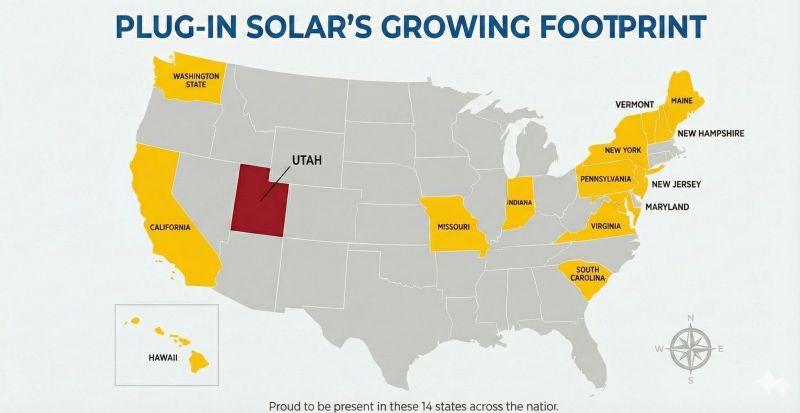
As of now, 25 U.S. states have public legislation under consideration to allow plug-in solar. In 2025, Utah passed HB 340, the first state-level legislation allowing plug-in solar. This bill has created a new, simplified category for small-scale portable solar systems that does not require traditional utility interconnection agreements.
State governments and state utility commissions may oppose deregulating plug-in balcony solar because deregulation could increase power costs for non-solar customers and reduce utility revenue. Investor-owned utilities are for-profit companies, so they are disincentivized to allow legislation that would ease consumer solar usage if those policies reduce utility revenues.
In my home state of California, Electric Rule 21 dictates that the California Public Utilities Commission (CPUC) must review and approve all new grid interconnections. The California Solar & Storage Association estimates that the CPUC’s compliance rates with its deadlines range from 27-80%. This delayed system significantly constrains and deters the opportunity to scale out consumer-based solar, which has the potential to save average citizens money and reduce negative climate impact.
This year, 25 states will review legislation to make plug-in solar legal, affordable, and accessible - without the headache of utility commission regulation. These systems offer clean energy to households blocked by high upfront costs, low-income households, underserved neighborhoods, and renters.
Now is an exciting time for solar growth potential. If there is a proposed bill in your state legislature, and scaling solar accessibility and energy affordability excites you, contact your district’s representatives and urge them to support scaling plug-in solar. Utilities and regulatory commissions continue to challenge this wave of momentum, so it must be known that consumers are fighting for cleaner, cheaper energy. To learn more about supporting this movement, check out Bright Saver, Solar United Neighbors Action, Environmental Working Group, and your district representative’s platforms.


Comments