


Green Career Counseling: An Intuitive Guide


A common misconception is that the only pathway to contribute to solving the climate crisis is studying and going into environmental science; In reality, the climate field is extremely interdisciplinary and diverse, desperately needing individuals from different academic and professional backgrounds. Please note that this guide does not cover all climate jobs.
In fact, today, as outlined by Jamie Alexander of Project Drawdown, “No matter where we work, every job is a climate job”.
A climate lens is now present and necessary in every field, sector and career, influenced by the realities of the climate crisis.
Everyone has unique traits, strengths and interests, with the ability to create the perfect career for themselves. Drawing outside the lines and making change in their own unique ways.
How to use this guide: Please refer to the Table of Contents below and explore as many pathways as interest you. Each job title is linked to a relevant page with further details.
Green Career Counseling Table of Contents
For the Science Geeks
Science plays a vital role in research and innovation, it drives progress and allows a science-based approach in education, conservation, agriculture, environmental policy and other fields. There are a myriad of sciences related to the environment, ecosystems, physical processes and organisms, some of these include:
Earth Sciences
Earth sciences (also known as Geosciences) refer to the study of the earth, physical environment and natural processes (including natural disasters).
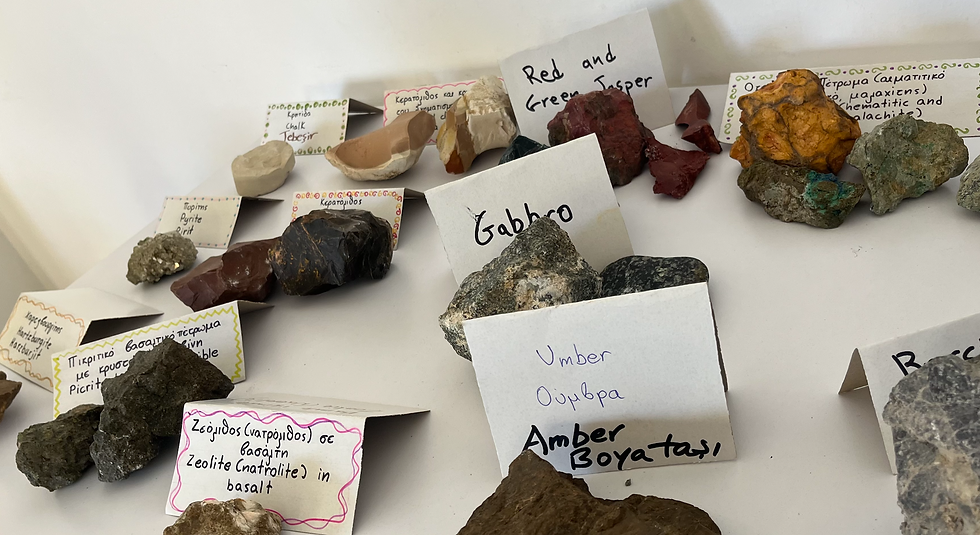
Geology is the study of the earth (though informally is known as the study of rocks..), all its layers, as well as soil, fossils, rocks and minerals. Geologists study earth processes (such as plate tectonics), rock types (eg: igneous, metamorphic..) and the earth’s history. In daily work, geologists do field mapping, sample collection, lab work, geological charts and risk analysis (for vulnerable regions and potential construction sites). Geologists help mitigate the impacts of seismic disasters such as earthquakes and landslides by identify vulnerable areas and status of rock erosion. Geology also helps conserve resources through investigating geothermal energy as an alternative to fossil fuels, groundwater mapping and sustainable resource extraction.
Hydrology refers to the study of water, its cycles distribution and management. With a higher demand for water and larger threat to water bodies (pollution, droughts, population demands, construction, etc), studying how our water should be treated, managed and distributed is key. Hydrologists identify risks and threats to water bodies, collect water samples, help design water infrastructure and find ways to reduce water pollution.

Geophysicists utilize the principles of physics and mathematics to study the earth’s structure and physical properties. They study gravity, magnetic fields and the earth’s rotation, by performing fieldwork and lab work. Geophysicists also help locate geothermal energy wells (fossil fuel alternative), mapping reservoirs (water supply), mass of glaciers (as well as melting rate) and monitoring of earths’ other physical processes. Geophysicists play a large role in mitigating climate change using physical and mathematical approaches.
Seismology is the study of earthquakes and energy in the earth layers. Climate change majorly disrupts seismic processes and increases frequency of seismic activity (for example, melting glaciers redistribute mass and put pressure on tectonic plates). Seismologists help us understand earthquake patterns, activity and impacts. They monitor vibrations, assess safety risks and utilise technology such as seismographs.

Disrupted seismic processes also directly affect volcanic activity. Volcanology refers to the study of volcanoes, understanding volcanic activity is significant for understanding hazard risk and plate tectonics.
The work of volcanology helps us predict and mitigate volcanic eruptions. Volcanologists do lab work, help design safety precautions and monitor volcanic activity.
Atmospheric science refers to the study of the Earth’s air, its components and how it interacts with other ecosystems. Atmospheric sciences study air pollution, wind directions and air pressure, utilising computer models, it is frequently combined with meteorology which studies weather processes and factors like humidity. Meteorologists predict weather conditions and communicate it to the public, aviation, agriculture and other sectors.
Environmental Sciences
Environmental sciences include interdisciplinary sciences, combining knowledge and practices from different scientific areas to analyse environmental issues and find practical solutions.

Environmental science refers to an interdisciplinary field combining general sciences such as biology, chemistry and physics in the environmental lens. This complex field allows different sciences and perspectives to environmental problems that help find solutions to the climate crisis. Environmental scientists do research on ecosystems, perform lab work, design science-based climate solutions and communicate findings to leaders & policy makers. These scientist conduct the primary research that is put into the foundation of environmental regulations and climate solutions.
Environmental chemistry refers to a discipline within environmental science, focusing on the study of chemistry and biochemistry of the natural environment and natural processes. Environmental chemists work on developing carbon capture solutions, managing pollution, advancing renewable energy technologies and tracking carbon emissions by analyzing molecular behavior, designing sustainable material and observing how pollutants interact with our ecosystems.
Environmental engineering is a hands-on industry where sciences are applied in environmental solutions, designing solutions and systems protecting ecosystems and living organisms. These solutions often tackle issues such as waste management, pollution, water treatment and environmental degradation.

Environmental Engineers inspect existing facilities and infrastructure, design infrastructure and create plans/reports. They work on designing important infrastructure such as wastewater treatment facilities, carbon capture technologies, renewable energy generation, waste management facilities, sustainable water drainage systems and other infrastructure.
Life Sciences
Life sciences study living organisms, their environments and the interaction between them, also studying physiological traits, behaviors and biotic and abiotic factors.
Ecology refers to the branch of biology which studies environmental biology and how organisms interact with each other in ecosystems. It studies dynamics, flow of energy, environmental issues and biotic and abiotic factors. Ecologists do fieldwork, engage in conservation efforts, analyse data and do environmental consulting. Ecologists play a key role in conservation, especially in mitigating the effects of climate change in disrupted ecosystems, protecting ecosystems and their inhabitants.

Marine Biology is the study of organisms, plants and ecosystems in the ocean. Marine biologists study organisms in the sea, water pollution’s effect on them, fisheries, coastal areas species and marine ecology. They perform fieldwork in the ocean, run lab tests, create conservation plans and efforts to restore coastal ecosystems, such as corals, mangrove and salt marshes, which help absorb heat and carbon dioxide.
Oceanography in comparison to marine biology studies the ocean itself. Oceanographers study the physical, chemical and biological properties of the ocean, including features such as tides, salinity, carbon cycles and sea morphology. Oceanographers provide data for science-driven solutions such as carbon absorption, generating clean energy and protecting coastal ecosystems.
Zoology refers to the study of animals, speciation, evolution, physical traits, habitats and behaviors (The study also branches out into niches such as mammalogy and ornithology). Zoologists research behaviors, monitor organisms’ needs and create wildlife conservation strategies.

Botany is the scientific study of plants, their structure, growth and role in ecosystems. Botanists help research all varieties of plants and their roles in medicine, agriculture and ecology. Botanists work in field research, laboratories and plant conservation.
Agronomy is the science of soil, crops and agriculture. Agronomists study how crops can be grown more efficiently and sustainably, especially in such a rapidly changing climate. Agronomists test soil samples, study threats to crops and test farming techniques. They also work closely with farmers to develop sustainable agriculture methods, ensure stable food production and reduce agriculture-caused environmental degradation.
Medicine & Environmental Health
While medicine is not directly relevant to the climate or solutions, human health and how we respond to certain medications is directly influenced by the changes in the climate, which can cause unpredictable health emergencies. Helping humans adapt to changing environmental conditions helps reduce harm in the long term.
Human organisms and how they react to medications are changing. Additionally, medications (including vaccines and insulin) may degrade due to rising temperatures or due to extreme weather events. Pharmaceutical researchers work on developing new medications and altering the formulas for existing medications to provide high quality healthcare.

Environmental health is the branch of healthcare that studies how external physical, biological and environmental factors (such as increasing temperatures or pollution), affect human health. Environmental health specialists work to identify risks to human health and protect communities from environmental hazards. These specialists work in toxicology, inspecting, air and water quality and other fields.
Medical experts are always needed in natural disaster systems and emergency response teams. Natural disasters of a large scale inevitably lead to destruction and harm to humans, in which emergency response doctors are crucial in mitigating harm, providing treatment and safety to vulnerable communities.
More and more people struggle with eco-anxiety, the sense of environmental doom and feeling of helplessness, causing distress and lack of motivation. Psychologists play a large role in supporting the emotional and mental wellbeing of people, some psychologists choose to specialise in eco-anxiety and climate to help people feel more motivated, manage burnout and find channels to project feelings into meaningful solutions.
Technology
In the modern world, technology plays a crucial role in research, mapping, data analysis and other sectors.
Geographic information systems (GIS) refer to a computer technology framework used to create, store, manage and analyse geographic data (this includes maps, spatial data, flood zones, property marks, natural resources, weather patterns, etc). GIS Specialists manage these systems and use the software for data collection, map creation, construction, statistics and contingency plans.

Data Analysts work in different sectors to ensure environmental regulations are met and sustainability data tracked (eg: a company’s carbon emissions). Data analysts collaborate with environmental scientists, policy experts, and business leaders to collect, analyze, and visualize data related to sustainability initiatives. The data is later used to improve and adjust strategy and set sustainability goals.
System Engineering in the environmental field refers to the construction and management of systems and infrastructure, such as GIS, Solar panels, wind turbines, renewable energy facilities, bioreactors and smart irrigation systems.
For the Humanities Lovers
The climate crisis is deeply intersectional and directly affects humanity. Understanding how climate change affects our societies, education, mechanisms and governance are all vital for fostering sustainable societies and adapting to changes in the environment.
While humanity-oriented careers are not as direct and objective as scientific environmental pathways, both have their own benefits and are crucial for mitigating and adapting to the hazards of the climate crisis.
Communications, Linguistics & Media
Communications are significant for making scientific data accessible and easy to understand for the general public. Engaging and accessible approaches must be developed for data to be directly and regularly communicated to stakeholders.
Sustainability communication refers to bridging the gap between stakeholders, converting complex raw environmental data into simple easy-to-understand information and stories for the public. Sustainability communicators work in different mediums, writing summary reports, social media blog posts and engaging stories. They utilize the data and create planning and outreach strategies for companies and organisations.

Environmental journalism refers to writing and reporting on current affairs related to nature, the environment, the climate crisis and how they impact people. Environmental journalists play a large role in bringing stories to life and raising awareness of significant issues. They also bring attention to local issues, proposed legislation changes, innovative solutions and pressing global issues.
A great majority of environmental data, findings and resources are inaccessible because of language barriers (especially as a large amount is published solely in English). Translators are crucial in bridging gaps between nations by translating useful resources which can help adapt to local issues and implement new solutions. Translators play a key role in building resilience in vulnerable communities who lack access to important climate information and safety precautions.
Community Engagement
Governance & Law
Governments play irreplaceable roles in environmental governance, budgeting, long-term strategy and environmental law and regulations. For environmental governance to be efficient, aligned and adequate, local issues and communities must be represented and involved in decision making. Further, environmental policy should be carefully designed, defended and enforced.
Law exists to maintain order, wellbeing and equality, this applies to our environment and ecosystems as well. Environmental law encompasses policies and regulations on local, national and international scales, with the aim to protect the natural world and its inhabitants.
This discipline of law is crucial in setting (and maintaining) regulatory mechanisms to manage the impact of human activity on ecosystems, designing enforcing measures and international frameworks for environmental preservation. This focuses on issues such as biodiversity protection, pollution control, resource conservation and carbon emissions.
Environmental lawyers work in different specializations. This includes representing public interest in terms of climate justice, suing companies breaching environmental regulations, helping companies comply with environmental regulations and handling legal paperwork.

Environmental policy goes hand-in-hand with environmental law. While environmental lawyers focus more on compliance, enforcement, consultation and contracts, environmental policy-makers have a more holistic work approach.
Policy makers research environmental issues (such as air pollution) in depth and draft legislation, bills and regulations to manage those issues. They analyse and update existing legal structures and policies to make sure the legislation in place is as efficient, just and realistic as it can be. They also work closely with politicians to gain support for green initiatives.
Having environmental regulations in place and promoting them is one thing, however making sure they are followed is another. Compliance officers investigate, analyse and track eligibility and compliance of brands, corporations or governments to existing regulations, contracts and permits.They work with auditing, research, project management and communications. Environmental compliance officers thus help enforce environmental policies in the long term.

Sometimes when we think of politicians, we think they couldn't be further from being a green job, however politics are a powerful tool in raising awareness and influencing public opinions. Political parties can bridge gaps between citizens and the government, shape public attitudes towards certain issues and push for stronger environmental action.
Political parties and ambitious individuals within the, can directly influence policy output, strategic direction and strengthen governmental accountability.
Politicians also represent and highlight the communities’ needs, struggles and local environmental issues, channeling underrepresented voices into media and policymaking. Politicians are able to bring the climate crisis into important spaces and suggest legislation and campaigns to act on environmental problems.
Geography, Sustainability & Climate Change
Disclaimer: While the term geographer itself can refer to a person of profession who studied or is studying the field of Geography, in this context, “Geographer” refers to a scientist studying the earth’s environment and how people interact with it.
Geographers specialise in a myriad of areas of human and physical geography, such as climatology, economic geography and military geography. Some typical work and tasks of a geographer include: in-depth research, collecting data by satellite, questionnaires and other mechanisms, creating visual representation of data, calculating environmental risk, writing reports and communicating findings.
Please note that the work of a geographer largely depends on their specialisation and place of work.

These 2 titles are frequently used interchangeably, however are not necessarily the same job. Both careers refer to using sustainability knowledge and data to consult and strategise for organisations, helping them make their values, strategy and output more sustainable.
The key difference between the two is that sustainability specialists work for the organization internally long term, designing internal strategy plans, while sustainability consultants are externally hired to measure and improve sustainability of companies. Usually the areas of focus include general sustainability, renewable energy and waste management.
Climate change analysts have quite a flexible profession, these experts conduct and analyze research, prepare reports, assess risks, create simulations and advise stakeholders. They analyze climate data and patterns and relate them to the affected existing industries and sectors. These analysts work in a variety of industries, including climate-fields, government agencies, educational institutions, planning organizations, consultancy agencies, corporate companies and non-profit organizations. Climate change analysts play a large role in implementing scientific-driven solutions across different sectors.
Education
Education is a powerful tool and essential for tackling the climate crisis. This allows us to equip our communities with the necessary knowledge and skills to create change and ensure that most vulnerable communities know about the natural threats they're facing.
Educator is a broad term referring to any worker in education, including teachers, lecturers, support educators, professors and others. Teaching about the climate crisis and environmental degradation is one of the primary steps in addressing the climate crisis. Especially when it comes to equipping the young generations with knowledge and skills to find practical solutions to the climate crisis. Educators play a key role in making sure climate education is accessible, accurate and easy to understand.

Many educational systems across the world lack any climate-focused curriculums. Curriculum developers are responsible for ensuring that the teaching materials we provide to educators are up-to-date, factual, well-rounded and inclusive. This includes research of topics, simplifying them, finding case studies and making sure the educational resources are accessible and engaging.
Environmental education officers work on raising awareness about environmental issues through education at different scales. This could include running campaigns, organizing events, organizing environment-focused cultural activities, running walking tours and public lectures and promoting climate education.
They also collaborate with different stakeholders, including local communities, local government, students and schools finding ways to raise awareness and promote inclusive education. They also frequently provide training to educators.
Green Commerce & Finance
When finding feasible solutions for tackling the climate crisis, costs must be taken into account; the funding of climate action on local, national and international scales is referred to as climate finance. Additionally, contributions of commerce industries to the climate crisis also play a role and must be regulated.
Climate finance analysts evaluate financial viability and risks of proposed environmental solutions and environmental investment. They also work on designing strategies and monitoring performance of climate finance initiatives. Climate finance analysts work in industries such as renewable energy, housing and green banks. They perform tasks and actions such as financial modeling, investigating market sizes, identifying risks and analyzing quantitative data.
Carbon accounting is necessary for calculating, analysing and reporting on organizations’ carbon footprint. This is essential for finding the carbon footprint, in order to reduce a company’s carbon footprint, adjusting their sustainable strategy and taking steps towards becoming carbon neutral. Carbon accounts work as either external consultants or in-house specialists helping shape strategy internally.

ESG investment analysts (somewhat similar to climate finance analysts) work on analysing and investigating financial risks within corporate ESG (Environmental, Social and Governance) strategies. These analysts work on collecting relevant data (such as sustainability reports and labor practices) to guide capital allocation decisions and identify financial long-term liabilities. They also prepare reports for corporate financial committees.
Circular Economy refers to the economic model that replaces a traditional linear system of production with a more sustainable closed loop system that prioritizes recycling and reusing. Circular economy consultants work on enforcing circular economy principles by overseeing corporate commitments to waste reduction, promoting reuse and recycling, and advising businesses on resource efficiency aligned to the circular business model.
With more and more people aware of pollution, excessive waste and environmental degradation, more are eager to reduce their personal waste output. Zero waste companies provide alternatives to daily use items such as bathroom and kitchen essentials, cleaning products, self-care and cosmetics. These companies also provide zero-waste packaging for other brands and delivery services. If well managed, such companies can help reduce waste and pollution for both individuals and companies
Architecture, Mobility and the Built Environment
Construction and transportation play a large role in global carbon emissions. How we design our cities, buildings and transport systems directly determines their sustainability and environmental impact. Considering materials, walkability, green spaces, renewable energy and resource conservation are all crucial for sustainability in the built environment.
Eco-Architects work on designing buildings with a lower environmental impact and reduced harm on local ecosystems. Sustainable architects prioritise bioclimatic design, adapting to local environments, utilizing local natural resources and improving energy efficiency in accordance with the local ecosystems and their needs. Sustainability must be integrated into architecture and design at a foundational level. These architects research local environments and natural integration, in order to draw up architectural designs and calls for the use of sustainable materials, renewable energy and water conservation.
Urban planning is a broad field that works on making cities more sustainable long term, helping meet communities’ needs, ensure economic viability and environmentally friendly cities. Urban planning helps reduce environmental degradation, and increase the number of green areas in cities, which mitigates the heat island effect and reduces impact of heatwaves. Urban planners also play a critical role in making cities more walkable and less car-centered, discouraging the use of private transport, reducing transport emissions.
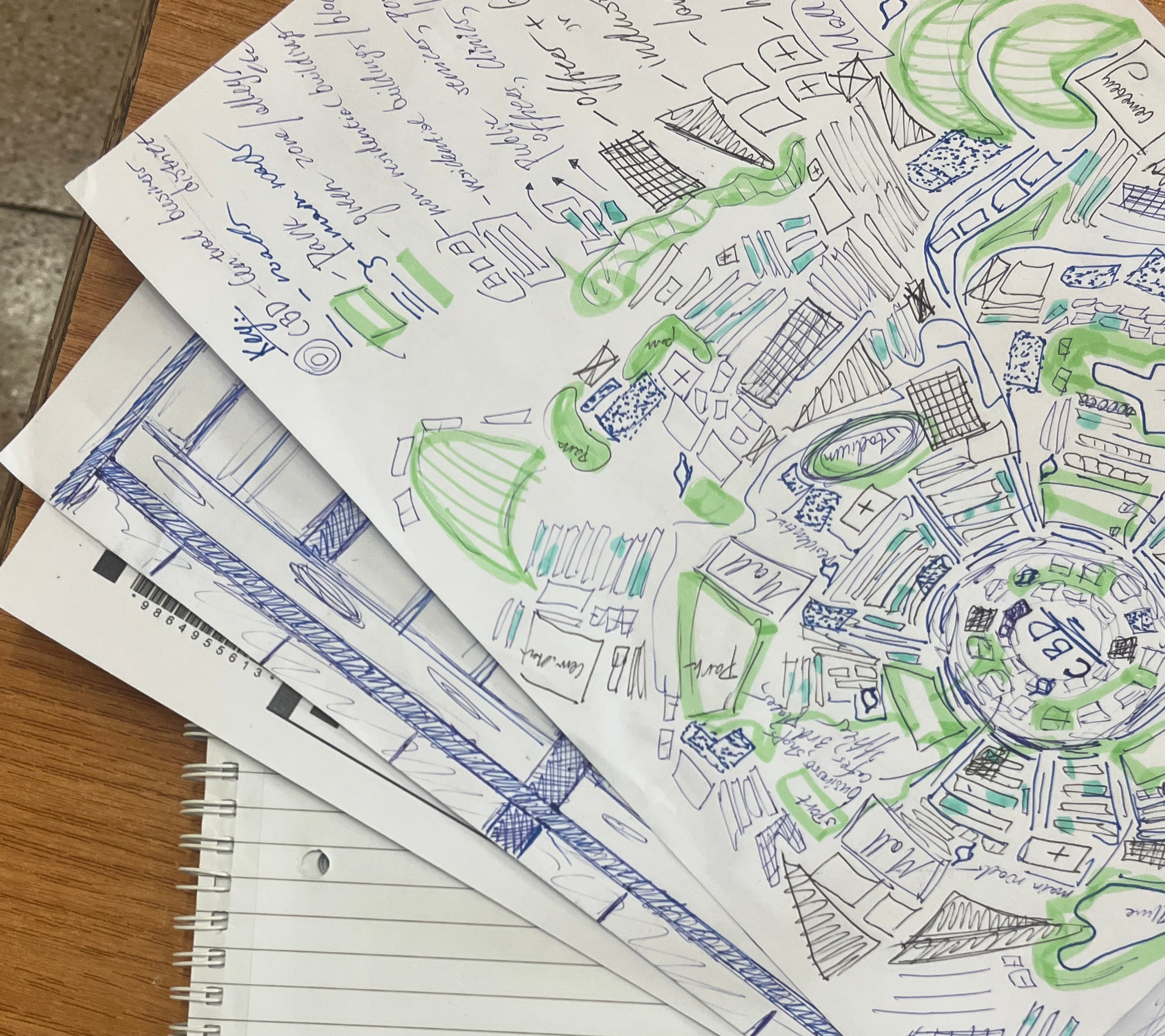
Landscape architects work on designing outdoor spaces, such as parks, streets and residential areas. One of the key priorities for landscape architects is increasing walkability (including installing bike-lanes) and greenery in our cities, making green areas like parks more accessible and wide-spread. Landscape architects work on designing nature-based solutions to increase carbon sinks, reduce the urban heat island effect and restoring degraded natural areas (such as wetlands and grassland).
Sustainable project management refers to executing building projects to align with environmental regulations and ensure sustainability. These construction managers study existing regulations and ensure sustainability measures are integrated throughout the process. They are also responsible for material selection, minimizing waste and energy efficiency. Sustainable construction managers also create sustainability plans applicable in the life-cycle of the entire construction process.
Transport planners work on ensuring public transport systems are sustainable, efficient and accessible to all residents. Efficient and sustainable public transport systems allow residents to remain mobile without owning or renting private cars, reducing transport-caused carbon emissions. These planners work on designing systems that reduce congestion and help execute the transition to renewable energy and electric vehicles in the transportation sector, decreasing carbon output.
For the Creative & Imaginative
When we say that every job can be a green job, we do not limit this title to scientific, technological or governmental jobs; in fact, creative professions play a large role in education, awareness and social aspects of climate action.
Because of the processes of fast fashion, a vast amount of clothing is produced from unsustainable materials, is of bad quality and gets thrown into landfills at a rapid rate. We have enough clothing in the world to dress the next 6 generations. At this point, it is essential for clothing to be designed to be sustainable, long-lasting and biodegradable. Designers and sustainable fashion managers are now working on recycling and reusing materials to create clothing, ensuring the designs are non-seasonal and durable, their efforts help reduce consumerism and clothing pollution.

Food waste and food consumption also play a large role in carbon emissions. It is estimated that around one-third of all food goes to waste and agrifood systems account for up to 30% of all emissions. Restaurants and chefs can make a difference by developing strategies to avoid food waste and setting green priorities. This includes switching to local resource providers and prioritising plant-based cuisine. This reduces transport emissions and promotes more sustainable diets and eating habits. Plant-based chefs help educate the public about environmental benefits of lowering animal agriculture products consumption and environmental benefits.
Art has played a large role in the environmentalist movement, many artists use their skills in order to raise awareness of climate change. This includes social media, recreations of areas pre-degradation and even political comics. Artists have also made efforts to reduce waste and create campaigns from reused and recycled materials to give them another life. Artists also help create visuals for environmental reports and curriculums.

Other creative industries like filmmaking have diverted their attention to nature focused content, creative short films or documentaries to educate the public about the climate crisis, the natural world, human impact and environmental issues in an engaging way.
Polly Dynyak is a young and passionate environmentalist based in Nicosia, Cyprus. She is actively involved in community engagement, youth diplomacy and climate education. She is a lighthearted workaholic, enthusiastic about youth involvement, geography, urbanism, history, writing, poetry and intersectional environmentalism. Currently she is involved in multiple projects leading environmental volunteering and providing accessible climate education. Polly plans on pursuing studies in Geography and Planning, aspiring to be an urban planner or environmental consultant in Europe.


Comments